

From Roots to Results
Using Beginning and End-of-Year Behavior Screener Data to Strengthen Your School System
In education, it’s easy to focus on what we can see—academic outcomes, classroom engagement, and discipline data. If we think about our school as a tree, these visible systems are much like the trunk, branches, and leaves. But like any healthy tree, what’s visible is only as strong as what lies beneath the surface.
The roots–behavioral wellness–determine everything.
Students’ social, emotional, and behavioral skills, combined with the systems adults create to support them, form the foundation of the educational environment. When the roots are strong, learning flourishes. When they are weak, the effects show up across the campus.
The Universal Behavior Screener gives us a way to dig into the roots, but their true power comes from using them differently at the beginning and the end of the year.
Beginning-of-Year Screener: Diagnosing the Health of the Roots
During the first semester, the screener functions as a diagnostic tool, essentially asking, “What is the current health of our roots?”
This is our earliest opportunity to understand:
-
Which students may have behavioral skill gaps
-
How those gaps could impact their learning—and the learning of others
-
What patterns exist across classrooms, grade levels, or student groups
-
Where our systems may need strengthening
This is not about labeling students—it’s about identifying skills that need to be taught.
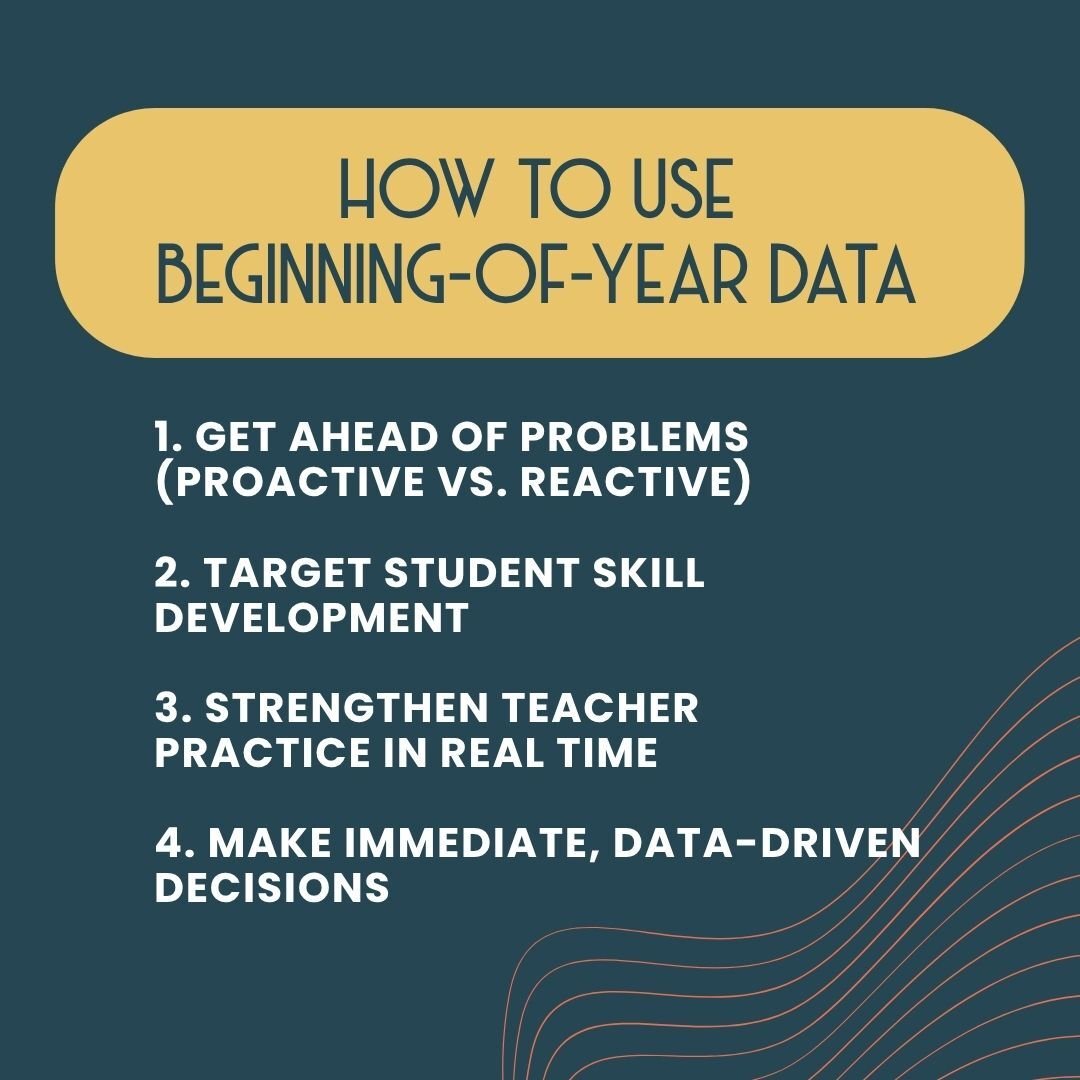
How to Use Beginning-of-Year Data
1. Get Ahead of Problems (Proactive vs. Reactive)
Instead of waiting for behavior issues to appear in discipline data, intervene early before concerns become larger. The screener gives us a head start.
2. Target Student Skill Development
Identify specific needs and risk levels for the campus core value expectations of safe, respectful, and responsible. Using screener data teams can:
-
Strengthen Tier 1 expectations and instruction
-
Group students for Tier 2 supports
-
Provide early Tier 3 interventions when needed
3. Strengthen Teacher Practice in Real Time
The data also identifies system needs, not only student needs. Analyzing screener data allows teams to:
-
Adjust classroom management supports
-
Provide targeted coaching
-
Align strategies across campus
4. Make Immediate, Data-Driven Decisions
Beginning-of-year data should lead to quick action:
-
What skills are priorities and should be taught first?
-
When do we plan to reteach expectations?
-
Which classrooms or grade levels need support now?
At this stage, the screener helps teams build and stabilize the root system so the tree can grow strong.
End-of-Year Screener: Evaluating the Health of the Whole Tree
Toward the end of the year, the purpose shifts to support reflection and improvement–“How did the roots hold up and what impact did they have on the entire tree?”
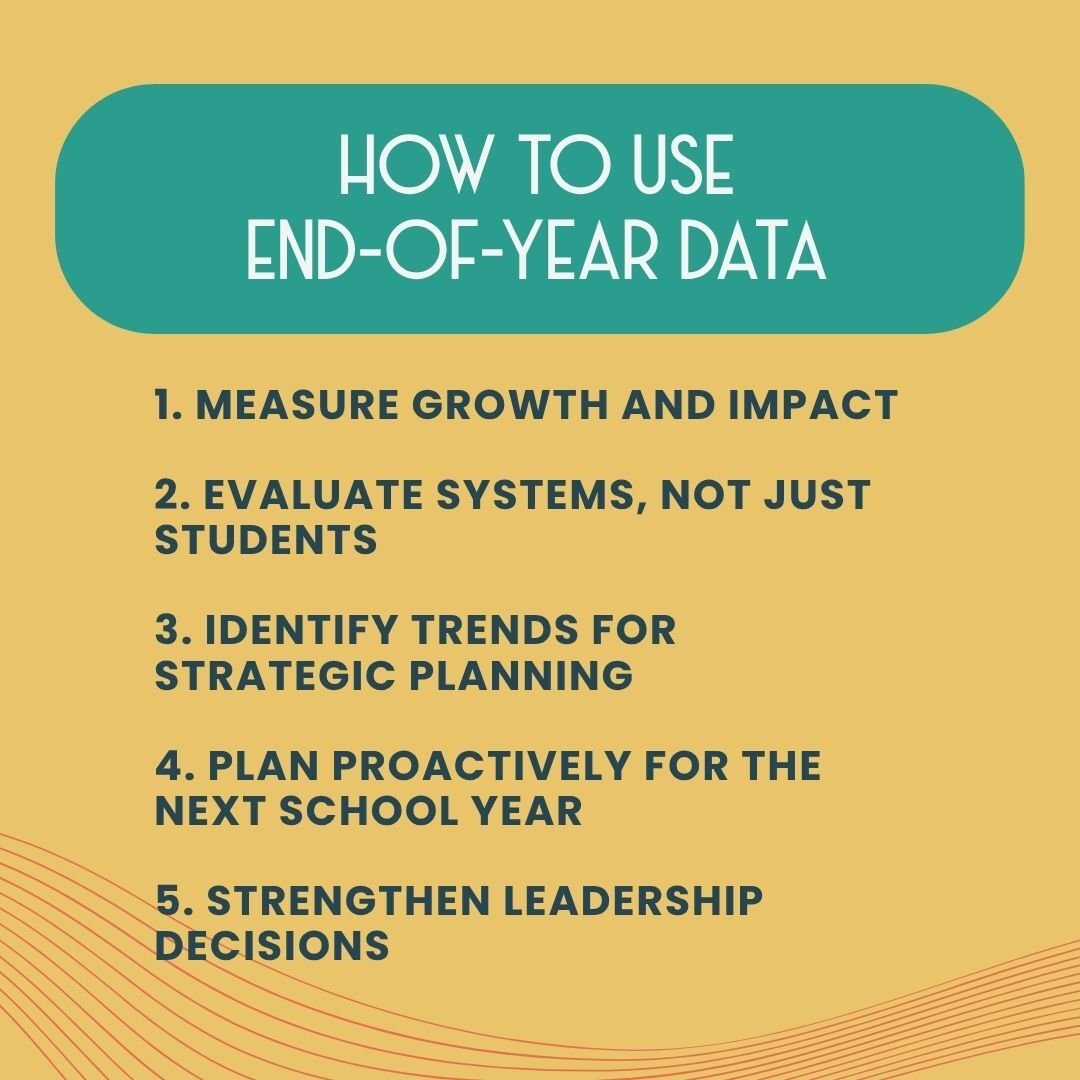
How to Use End-of-Year Data
1. Measure Growth and Impact
Compare beginning- and end-of-year data to determine:
-
Student skill improvement and in which areas
-
Intervention effectiveness
-
Where skill gaps still exist
2. Evaluate Systems, Not Just Students
End-of-year data shows how well our systems supported behavioral wellness:
-
Did Tier 1 meet the needs of most students?
-
Were Tier 2 and Tier 3 supports effective?
-
Are there weaknesses in our system that should be addressed?
3. Identify Trends for Strategic Planning
Engage in deeper analysis by looking for patterns within sub-groups such as:
-
Grade level
-
Gender
-
Ethnicity
- Special populations
Insights identified drive meaningful conversations in PLCs and leadership teams:
-
What trends are we seeing across campus?
-
What changes or updates should be addressed systemically next year?
4. Plan Proactively for the Next School Year
End-of-year data provides information to guide and inform decisions before the next year begins, such as:
-
Adjusting teacher assignments, rosters, and grade-level placements
-
Planning targeted professional development based on needs
-
Allocating resources and supports strategically
5. Strengthen Leadership Decisions
Campus administrators can use this data to:
-
Anticipate teacher support needs
-
Build stronger systems campus-wide
-
Ensure both students and staff are set up for success
At this stage, we are not just observing the tree—we are planning how to make it stronger next year.
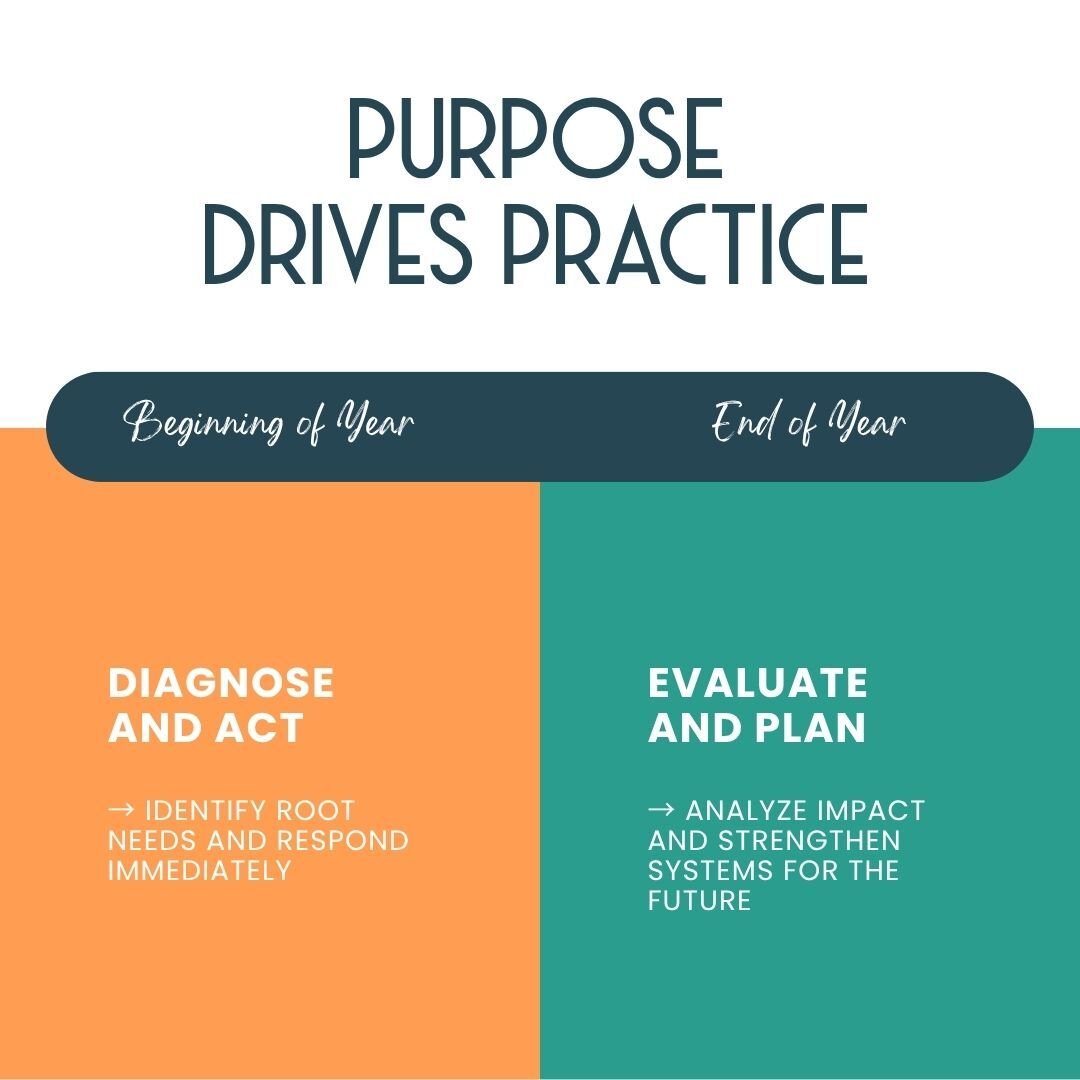
The Key Difference: Purpose Drives Practice
The biggest shift between beginning- and end-of-year use is purpose:
-
Beginning of Year = Diagnose and Act
- → Identify root needs and respond immediately
-
End of Year = Evaluate and Plan
- → Analyze impact and strengthen systems for the future
Both are essential. One ensures we are proactive, the other ensures we are strategic.
Final Thought
Strong behavioral systems are not an add-on—they are the foundation of everything we do in schools.
Universal behavior screeners give us the ability to see what’s happening beneath the surface, act early to support students and teachers, and continuously strengthen our system. When we invest in the roots at the right time, and in the right way, we don’t just improve behavior, we improve the whole tree, strengthening teaching and learning across campus.
Resources to Strengthen Your Implementation
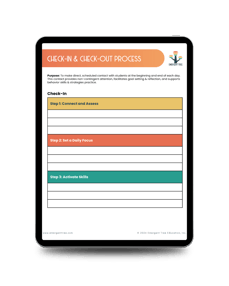
Check out our webinar: Universal Behavior Screening in Multi-Tiered Systems of Support to dive deeper into behavior screeners.
Our Universal Behavior Screener Analysis tool is designed to help you get started with this process. Check it out!
Comments