

The Midyear Tier 3 Check-In
Is Everyone Still on the Same Page?
By November, Tier 3 interventions have been in place for several weeks, giving teams valuable opportunities to observe student progress, collect data, and learn what implementation looks like in practice. But as the school year gets busy, small disconnects can begin to emerge. One staff member may consistently teach a replacement skill while another is unsure how to reinforce it. Data may be collected regularly but not reviewed as a team. An intervention may look effective on paper, yet implementation varies across adults or settings.
Before deciding that a student's plan needs to change, teams should pause and ask: "Are we all still on the same page?"
A midyear Tier 3 check-in is an opportunity to review student progress, examine implementation fidelity, and reconnect around shared language, roles, and responses. By using data and team reflection to identify what's working and where barriers exist, teams can strengthen consistency, make informed decisions, and ensure students continue receiving the individualized support they need.
Why Midyear Alignment Matters
Tier 3 behavior support is most effective when the intervention, the people implementing it, and the data used to guide decisions are aligned. Even when a team develops a strong Behavior Intervention Plan (BIP), implementation can become inconsistent over time. Staff may interpret the plan differently, scheduled skills instruction may become less intentional, or adult responses may vary across settings. These disconnects can make it difficult to determine whether the intervention is meeting the student's needs.
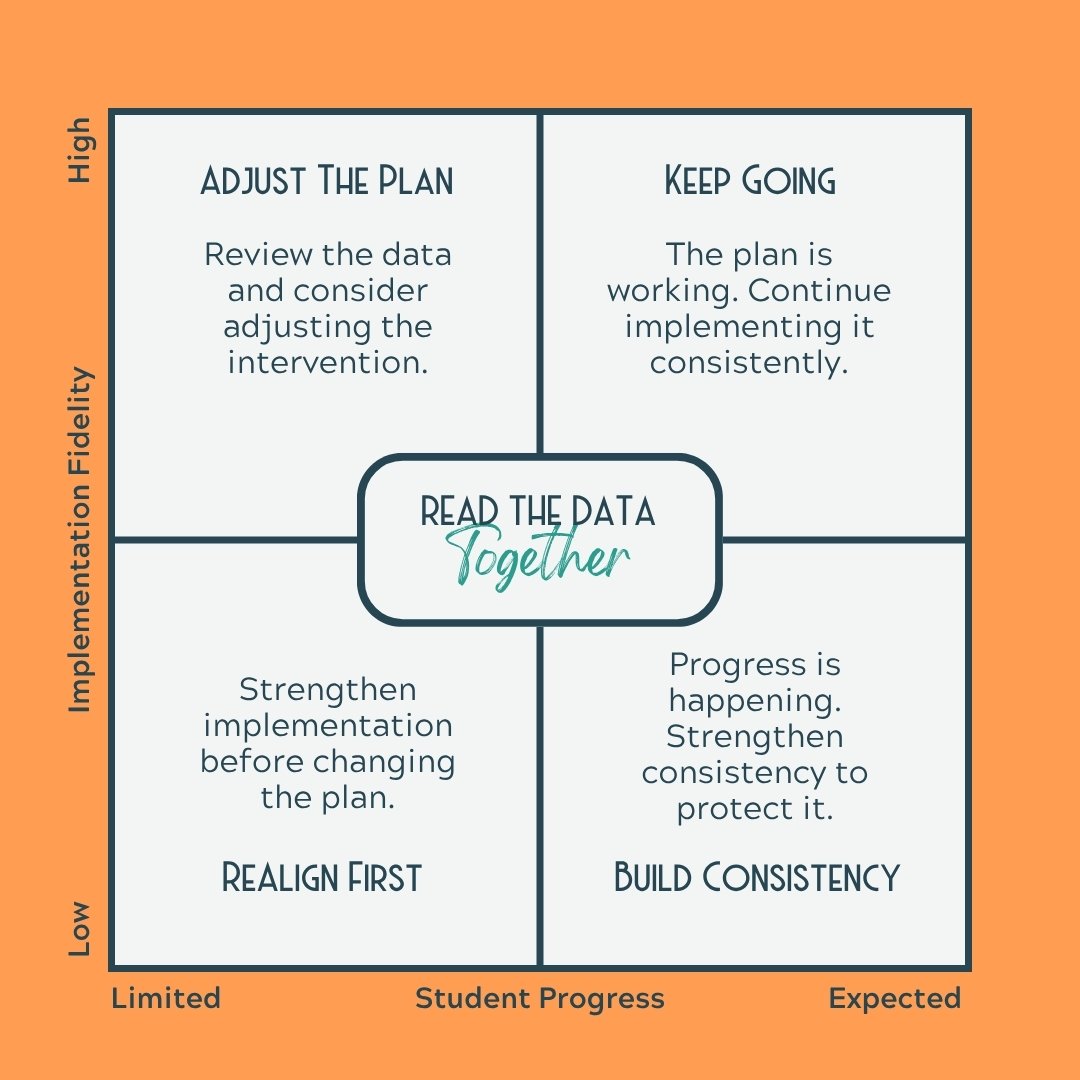
This is where data and fidelity come together. Student outcome data help teams understand whether the student is making progress, while fidelity data help teams determine whether the intervention is being implemented as intended. Looking at only one type of data can lead to incomplete conclusions. If a student isn't making expected progress, teams should examine implementation, identify barriers, and determine whether the intervention itself needs to be reconsidered.
A midyear check-in also creates space for the team to reconnect around a shared understanding of the student's needs. Everyone supporting the student should understand the purpose of the intervention, their responsibilities, the replacement skills being taught, and how to respond when those skills or interfering behaviors occur. The goal isn't automatically to change the plan; it's to identify disconnects, strengthen consistency, and use evidence to determine what comes next.
Conduct a Midyear Tier 3 Alignment Check
A midyear check-in doesn't require another meeting or an entirely new process. Teams can use an existing Tier 3 meeting to review the evidence, identify gaps, and agree on next steps. Focus on four key areas: data, fidelity, team alignment, and action.
1. Start With the Data: What Is the Student Telling Us?
Review the student's progress over time using the Behavior Progress Monitor and other relevant data. Look for patterns that help the team understand whether the intervention is producing the expected outcomes.
Consider these questions:
• Are we seeing progress toward the student's behavioral goals?
• Are replacement behaviors increasing?
• What patterns do we notice across activities or settings?
• Are there specific situations when the student needs additional support?
Avoid making decisions based on one difficult day or an isolated incident. Instead, look for patterns that inform the team's next steps.
Put it into practice: Ask each team member to identify one pattern in the data and one question about the student's progress. This creates a shared starting point for the discussion.
2. Check Fidelity: Are We Implementing the Plan as Intended?
When student progress is limited, the next step isn't always to change the intervention. Teams should first examine whether critical components are being implemented consistently.
Use the student's BIP, Competing Behavior Pathway (CBP), and relevant fidelity tools to review what implementation should look like. Consider the individualized strategies, skills instruction, monitor & prompt, scheduled feedback, Check-In/Check-Out (CICO), and progress monitoring included in the student's support plan.
Ask the team:
Are intervention components happening at the intended frequency?
Is skills instruction scheduled and focused on the identified replacement skills?
Do staff know how to respond when the student uses a replacement behavior?
Are adults following agreed-upon procedures when interfering behavior occurs?
Are data collected consistently and reviewed regularly?
What barriers are making implementation difficult?
Unclear directions, limited training, and competing responsibilities can all create barriers. Identifying these challenges helps teams determine what staff need to implement the plan successfully.
Put it into practice: Choose one critical intervention component and walk through what it should look like during a typical school day. Have staff describe their current practices, compare them with the agreed-upon procedures, and identify any differences that need to be addressed.
3. Realign the Team: Are We All on the Same Page?
Even when the data are clear and the plan is well written, implementation can vary if team members understand their roles or the intervention differently.
Revisit the connection between the behavior's function, the replacement skill, and the adult actions outlined in the plan. Make sure everyone understands not only what to do, but why those actions matter.
Consider the following:
Shared language: Can team members explain the behavior's function, replacement behaviors, and intervention consistently?
Clear roles: Does everyone know who implements each component, collects data, and communicates progress?
Consistent responses: Do adults respond predictably when the student demonstrates a replacement behavior or engages in interfering behavior?
Staff preparation: Have new or supporting staff received the information and training they need?
Put it into practice: One useful strategy is to walk through a common scenario together. For example, if a student engages in behavior associated with escaping a difficult task, ask each team member what they would do next according to the student's plan. Discuss differences and clarify the agreed-upon response.
Then complete this statement as a team: “When [specific situation] occurs, we will [agreed-upon adult response] so that the student can [intended replacement skill or outcome].”
This simple exercise helps turn general expectations into observable actions that can be implemented consistently.
4. Turn Reflection Into Action: What Happens Next?
A team check-in is only valuable if the team uses what it learns to determine next steps. Some teams may need to strengthen implementation, clarify responsibilities, or provide additional coaching. Others may find that the intervention is being implemented as intended but the student isn't making sufficient progress, indicating a need to review the data and consider adjustments.
Ask the team:
• What is working that we need to continue?
• What is getting in the way of consistent implementation?
• What needs to be clarified, practiced, or supported?
• Who will take responsibility for each action?
• When will we review progress again?
Put it into practice: End the meeting by identifying one priority, one person responsible, and one follow-up date. Documenting these decisions helps turn reflection into action and keeps next steps from getting lost in the busyness of the school year.
Making the Check-In Count
Keep these reminders in mind as your team completes its midyear check-in.
Tips for Success
- Celebrate what's working. Recognize student progress and successful strategies before focusing on areas for improvement.
- Include the people implementing the plan. Teachers, paraprofessionals, and specialists can identify practical barriers and offer valuable insight.
- Focus on observable actions. Replace “We need to be more consistent” with specific commitments about what adults will do and when.
- Follow up. Assign responsibilities and establish a date to revisit progress.
Things to Watch For
- Don't change the plan before checking fidelity. Limited progress doesn't automatically mean the intervention is ineffective.
- Don't rely on student outcome data alone. Consider implementation fidelity alongside student progress.
- Don't confuse agreement with understanding. Ask staff to describe or demonstrate what implementation looks like.
- Don't let skills instruction become reactive. Ensure instruction is scheduled and intentionally teaches the replacement skills identified in the student's plan.
- Don't overlook changing student needs. If the intervention is implemented as intended but progress remains limited, review the evidence and consider whether adjustments are needed.
Get Everyone Back on the Same Page
Strong Tier 3 support isn't just about having a well-written plan, it's about bringing that plan to life through consistent, intentional practice. Small disconnects are normal, but addressing them early can make a meaningful difference. When teams align their language, clarify their roles, and use data to guide decisions, they create a stronger foundation for student progress.
Your challenge this month: Set aside time during your next Tier 3 team meeting to complete a quick “Same Page Check.” Review one student's progress data, examine one critical intervention component, and ask each team member to describe what implementation looks like in their role. Identify one action your team can take to strengthen alignment before the holiday break.
Continue the Conversation: Join us at the 2027 MTSS-B Exchange
Meet educators and school leaders from across the country June 2–3 in Austin, TX to learn practical strategies you can take back to your school or district. Find out more.
Resources to Strengthen Your Implementation:
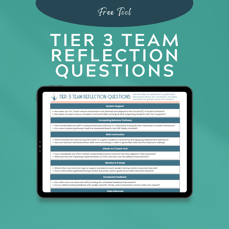
Free Resource: Download the Tier 3 Reflection Questions. Ready to bring your team back to the same page? Access our Tier 3 Reflection Questions for a practical, one-page resource to guide team discussion, reflect on implementation, and identify next steps for strengthening individualized behavior support.
Dive Deeper: Explore Tier 3 Resources. Want to strengthen your team's MTSS-B implementation? Create a login to the Emergent Tree Education MTSS-B Platform and explore Tier 3 resources in the Learn section.
Comments